
Describe the property
Send the location, symptoms, equipment and access details. State whether the work is a repair, replacement or planned project.
Need plumbing help in Pickering? Tell us about the leak, blocked drain, fixture or water heater. A responding provider will confirm coverage and availability before booking.
Get A Free QuoteCompare tank capacity, fuel, venting, and connection requirements. If the home uses a well, include pressure-tank and pump details when defining the replacement scope.
View scopeDescribe which fixtures are slow and whether symptoms recur. Camera inspection may help assess a repeatedly blocked line; septic properties should clarify where plumbing service ends and tank-side work begins.
View scopeIdentify visible pipe materials and collect renovation records. Compare proposals by the sections included, access requirements, shutoff locations, and any applicable documentation.
View scopeMeasure rough-ins and clearances before selecting fixtures. For bathroom builds, confirm supply and drainage locations and consider private-system pressure or septic requirements where relevant.
View scopeRecord moisture locations, water-use changes, and pump behaviour. Ask about suitable detection methods and, on a well, include pressure-tank and pump checks in the investigation.
View scopeDocument pump capacity, pit, discharge, alarm, and backup equipment. Assess backwater valve suitability against the property’s sewer connection and applicable requirements.
View scopeStart with the water source and test results. Compare treatment stages, capacity, regeneration or maintenance needs, and any requirements for connected appliances.
View scopeWater treatment choices depend on the source and a measured water analysis. If the property is on municipal supply, confirm the household’s needs and the treatment equipment already installed before comparing softeners or drinking-water filters. If it uses a private well, arrange testing of the actual source and review results for hardness, iron, sediment, and other relevant parameters before selecting treatment stages. Ask how equipment will be sized, where it will connect, and what maintenance or regeneration it requires.
Compare tank capacity, fuel, venting, and connection requirements. If the home uses a well, include pressure-tank and pump details when defining the replacement scope. Describe which fixtures are slow and whether symptoms recur. Camera inspection may help assess a repeatedly blocked line; septic properties should clarify where plumbing service ends and tank-side work begins. Identify visible pipe materials and collect renovation records. Compare proposals by the sections included, access requirements, shutoff locations, and any applicable documentation.
Measure rough-ins and clearances before selecting fixtures. For bathroom builds, confirm supply and drainage locations and consider private-system pressure or septic requirements where relevant. Record moisture locations, water-use changes, and pump behaviour. Ask about suitable detection methods and, on a well, include pressure-tank and pump checks in the investigation.
Document pump capacity, pit, discharge, alarm, and backup equipment. Assess backwater valve suitability against the property’s sewer connection and applicable requirements. Start with the water source and test results. Compare treatment stages, capacity, regeneration or maintenance needs, and any requirements for connected appliances.
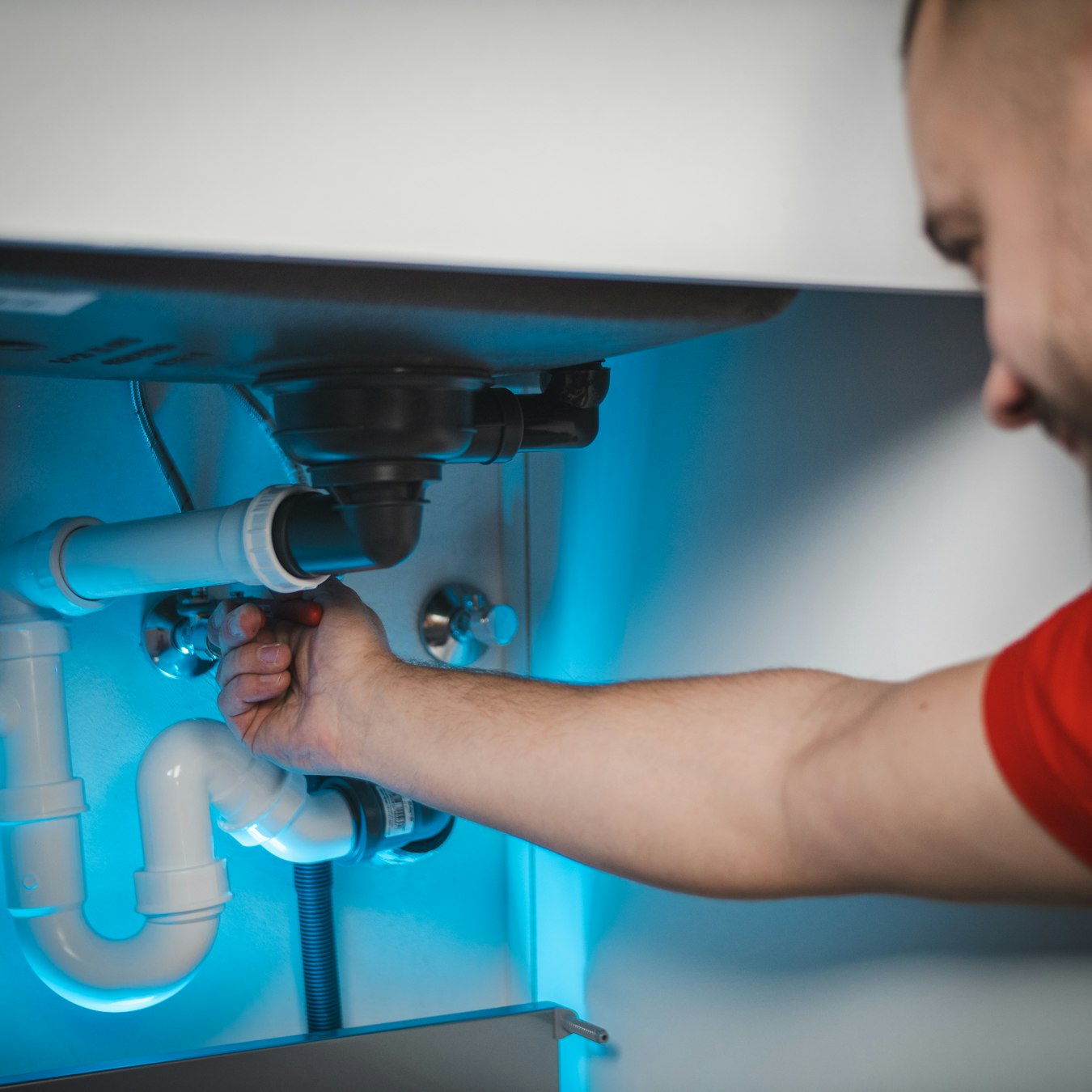
A recurring drain problem can come from a local blockage, a damaged or obstructed building drain, or a condition beyond the plumbing on a property with septic. Note which fixtures are slow, whether several fixtures are affected together, and when symptoms occur. If a drain has blocked more than once, ask whether a camera inspection is appropriate after clearing it. On a septic property, clarify where the plumbing ends and the septic system begins before authorizing work; that distinction can change which service is needed.
Explore this serviceSend the location, symptoms, equipment and access details. State whether the work is a repair, replacement or planned project.
The request is reviewed so the responding provider can clarify the work, property access and service coverage.
Agree the provider identity, qualifications, written scope, pricing and visit window directly. Sending a form does not confirm an appointment.
If the home uses a well, photograph the pressure tank label, pump controls, and existing heater connections. Ask how pressure settings and well recovery affect the proposed heater and household demand. Considering the whole system can reveal whether the installation is a simple appliance replacement or needs additional coordination.
For a private well, obtain a current laboratory water test and share the results before selecting equipment. Ask which treatment stage addresses each measured issue, such as sediment, iron, or hardness, and whether additional treatment is indicated. A test-driven design helps avoid adding stages without evidence or overlooking a relevant result.
If the property uses septic, record whether sinks, toilets, or multiple drains are affected and ask which section of the system a proposed service covers. Plumbing-line symptoms and tank-side issues may need different providers. Confirming the boundary before work helps avoid treating a plumbing blockage as a septic diagnosis, or the reverse.
If a well pump cycles unexpectedly, record the cycle frequency and whether fixtures are running, then photograph the pressure tank label and controls. Ask how the pump, pressure tank, valves, and plumbing line will be tested. A cycling pump can have several explanations, so checking the well equipment helps define whether a leak repair is actually required.
If a country property has long service runs or seasonal freeze concerns, ask where accessible isolation valves and drain points could be placed. Request an explanation of how sections can be shut off and drained for maintenance or winter preparation. These layout decisions affect usability after installation, not just the pipe route.
Use the form to describe the property, the symptoms and the work requested. For Ajax, Whitevale, Brougham, Claremont, include your postal code so local coverage can be checked.